Documents

Documents
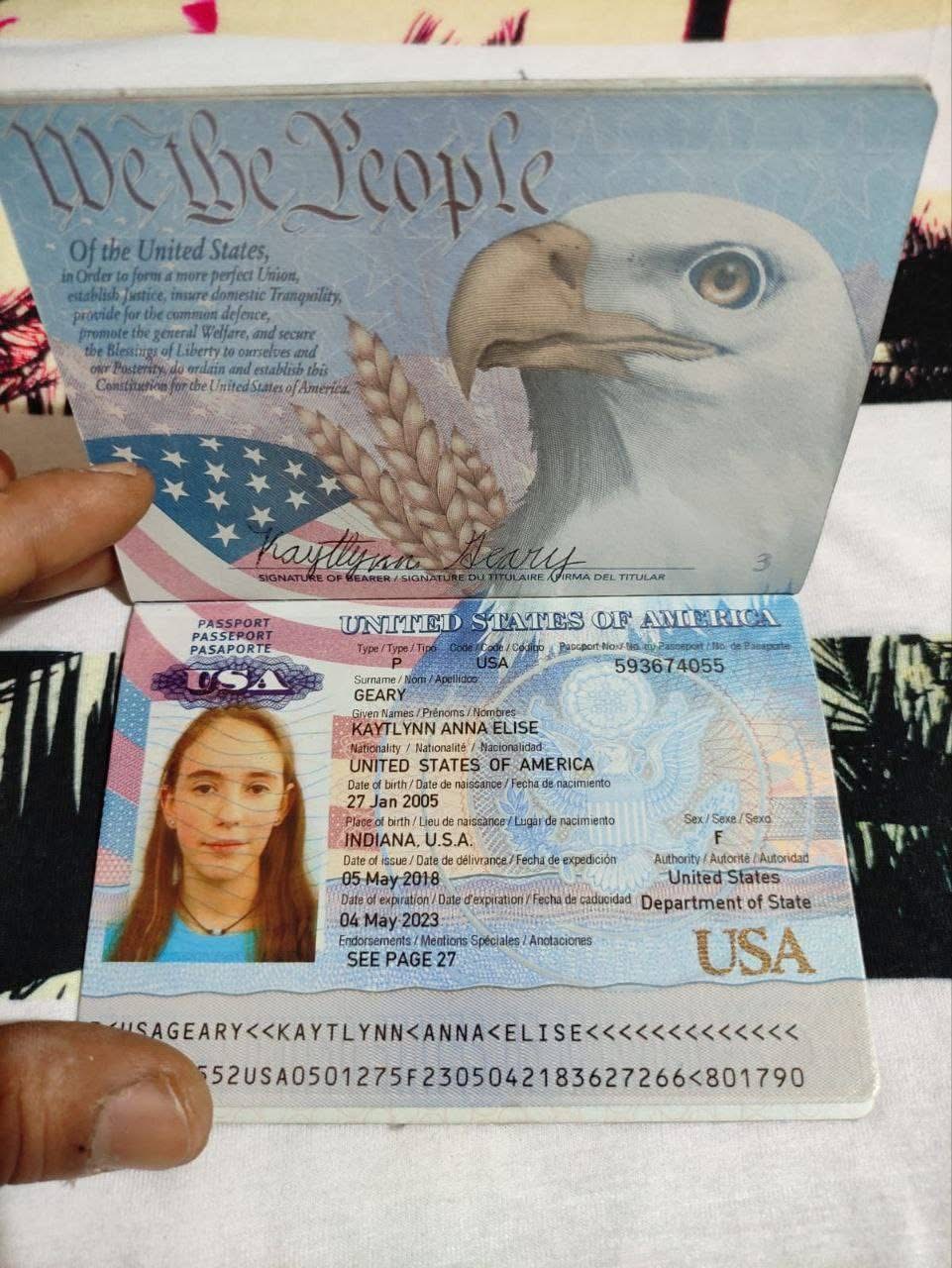
In the realm of security, identification, and verification, the integrity and authenticity of physical documents play a vital role. As identification becomes increasingly crucial in personal, professional, and governmental contexts, the demand for high-quality, authentic-looking documents has surged. These documents, whether real or meticulously replicated, serve as foundational elements in establishing trust, verifying identities, and facilitating secure transactions.
Authentic-looking documents are designed to mimic official credentials with remarkable precision, combining multiple security features that are difficult to reproduce without specialized technology. They encompass a broad range of materials, from passports and driver’s licenses to permits and certificates. Their visual and tactile qualities are crafted to withstand rigorous scrutiny, aiding organizations and authorities in promptly verifying identities, and playing a critical role in preventing fraud and unauthorized access.
Understanding the significance of these documents begins with recognizing their purpose—facilitating seamless interactions, whether in travel, employment, or legal proceedings. For example, a passport’s detailed design incorporates intricate patterns, holograms, and microtext, all intended to prevent counterfeiting. Similarly, a driver’s license features unique security elements, such as color-shifting inks and embedded RFID chips, ensuring quick verification by authorities. The precision involved in crafting these materials requires a confluence of advanced printing processes, quality materials, and a deep understanding of security design principles.
One of the critical factors distinguishing genuine documents from counterfeits is the level of detail embedded in their design. Experts utilize a variety of features to achieve this, including watermarks that are only visible under specific light, holograms with animated images, microtext that appears as fine lines, and complex guilloche patterns. These features are often layered to complicate duplication efforts, making high-fidelity replication a challenging task for counterfeiters. Consequently, the authenticity of documents can often be confirmed through specialized equipment that detects these elements, such as UV lights or magnification tools.
As the technology behind document creation continues to evolve, so does the sophistication of both genuine and counterfeit documents. Advanced printing techniques, such as digital offset printing combined with laser engraving, enable manufacturers to produce highly detailed images with precise security features. Special security inks that change color or become invisible under certain conditions add further complexity. Moreover, materials like polycarbonate cards or holographic foils are chosen for their durability and resistance to tampering. These innovations ensure that authentic-looking documents are not only difficult to forge but also capable of withstanding physical wear and tear during their lifecycle.
Visualization of complex security features enhances understanding of how modern documents deter counterfeiting. Incorporating features like holograms, microtext, and embedded chips creates a multilayered protective barrier, elevating the standard for document security globally. In environments where rapid verification is essential, such as border controls or entry points into secure facilities, these high-quality features provide a reliable means to authenticate documents efficiently.
Within this complex landscape, the distinction between real and high-quality counterfeit documents becomes increasingly nuanced. While genuine documents are crafted with rigorous standards and adhere to legal requirements, counterfeiters continually improve their techniques, aiming to replicate these features convincingly. This ongoing arms race emphasizes the importance for security agencies, corporations, and individuals to stay informed about the latest advancements in document security technologies.
In the realm of security, identification, and verification, the integrity and authenticity of physical documents play a vital role. As identification becomes increasingly crucial in personal, professional, and governmental contexts, the demand for high-quality, authentic-looking documents has surged. These documents, whether real or meticulously replicated, serve as foundational elements in establishing trust, verifying identities, and facilitating secure transactions.
Authentic-looking documents are designed to mimic official credentials with remarkable precision, combining multiple security features that are difficult to reproduce without specialized technology. They encompass a broad range of materials, from passports and driver’s licenses to permits and certificates. Their visual and tactile qualities are crafted to withstand rigorous scrutiny, aiding organizations and authorities in promptly verifying identities, and playing a critical role in preventing fraud and unauthorized access.
Understanding the significance of these documents begins with recognizing their purpose—facilitating seamless interactions, whether in travel, employment, or legal proceedings. For example, a passport’s detailed design incorporates intricate patterns, holograms, and microtext, all intended to prevent counterfeiting. Similarly, a driver’s license features unique security elements, such as color-shifting inks and embedded RFID chips, ensuring quick verification by authorities. The precision involved in crafting these materials requires a confluence of advanced printing processes, quality materials, and a deep understanding of security design principles.
One of the critical factors distinguishing genuine documents from counterfeits is the level of detail embedded in their design. Experts utilize a variety of features to achieve this, including watermarks that are only visible under specific light, holograms with animated images, microtext that appears as fine lines, and complex guilloche patterns. These features are often layered to complicate duplication efforts, making high-fidelity replication a challenging task for counterfeiters. Consequently, the authenticity of documents can often be confirmed through specialized equipment that detects these elements, such as UV lights or magnification tools.
As the technology behind document creation continues to evolve, so does the sophistication of both genuine and counterfeit documents. Advanced printing techniques, such as digital offset printing combined with laser engraving, enable manufacturers to produce highly detailed images with precise security features. Special security inks that change color or become invisible under certain conditions add further complexity. Moreover, materials like polycarbonate cards or holographic foils are chosen for their durability and resistance to tampering. These innovations ensure that authentic-looking documents are not only difficult to forge but also capable of withstanding physical wear and tear during their lifecycle.
Visualization of complex security features enhances understanding of how modern documents deter counterfeiting. Incorporating features like holograms, microtext, and embedded chips creates a multilayered protective barrier, elevating the standard for document security globally. In environments where rapid verification is essential, such as border controls or entry points into secure facilities, these high-quality features provide a reliable means to authenticate documents efficiently.
Within this complex landscape, the distinction between real and high-quality counterfeit documents becomes increasingly nuanced. While genuine documents are crafted with rigorous standards and adhere to legal requirements, counterfeiters continually improve their techniques, aiming to replicate these features convincingly. This ongoing arms race emphasizes the importance for security agencies, corporations, and individuals to stay informed about the latest advancements in document security technologies.
Modern document replication techniques are distinguished by their ability to produce highly detailed, durable, and visually convincing copies that closely mimic authentic credentials. These replicated documents utilize an array of sophisticated printing technologies and premium materials that enable counterfeiters to achieve a level of realism that frequently confuses even trained inspectors. Among the array of methods employed, digital offset printing combined with laser engraving stands out as a primary process, allowing for intricate microtext, fine lines, and elevated color accuracy. These processes are critical in reproducing complex design elements such as guilloche patterns, holographic images, and subtle color-shifting inks, which are hallmarks of genuine high-security documents.
One of the key aspects that contribute to the realism of these forged documents is the use of specialized printing inks and materials. For example, metallic inks and holographic foils are often incorporated to emulate the reflective qualities of genuine security features. Polycarbonate or PVC substrates are preferred materials, offering the same tactile feel and physical robustness as authentic IDs and passports. These materials are often embedded with microchips or RFID components, further enhancing the perception of authenticity while adding an extra layer of complexity for counterfeit detection.
Advanced microprinting, which involves printing tiny text or patterns that require magnification to be read, is another technique that significantly enhances the authenticity of fake documents. In well-crafted forgeries, microtext is incorporated into critical regions, such as borders or background designs, making replication challenging without access to high-resolution printing equipment. In workplaces or border control points, inspectors rely heavily on such features, which are often imperceptible to the naked eye but can be verified with magnifiers or UV light detection tools.
Moreover, counterfeit documents often incorporate security features like watermarks, color-shifting inks, and hologram overlays that change appearance under different lighting conditions. These features are embedded during the printing process or applied as overlays in post-production. Holograms, in particular, can feature animated or multi-layered images, created through holographic embossing techniques, which are extremely difficult to replicate accurately without specialized equipment. The inclusion of such features not only enhances visual authenticity but also introduces variables that are hard for counterfeiters to reproduce convincingly.
Additionally, various printing technologies can be combined to further complicate counterfeit efforts. For instance, the use of micro-embossing or laser engraving on polycarbonate cards produces very fine, detailed images and text that are tactile and visually indistinct from genuine documents. These enhancements increase the physical durability and resistance to tampering, wear, or environmental damage, which are common concerns for high-security identification documents.
Beyond production, verification tools also play a vital role in distinguishing real from counterfeit documents. Devices such as UV light scanners can reveal watermarks and fluorescent security inks, while magnification tools allow inspection of microtext and fine-line guilloche patterns. RFID readers can verify embedded chips, and hologram analyzers evaluate the authenticity of holographic overlays. The integration of multiple authentication layers, both visible and invisible, creates a robust barrier against forgery and equips security personnel to perform rapid, reliable verifications.
Given the technological sophistication involved in producing these realistic documents, it is crucial for security agencies, institutions, and individuals to stay informed about the latest manufacturing techniques and security features. As counterfeiters continually evolve their methods, the marriage of advanced technology and high-quality materials remains essential in maintaining the integrity of official identification and travel documents. The ongoing arms race in document security underscores the importance of continual innovation and vigilance, ensuring that high-fidelity reproductions are recognized and thwarted efficiently.
Modern counterfeit documents exhibit a remarkable level of precision, employing meticulous detail, sophisticated printing techniques, and advanced materials to achieve high fidelity with genuine credentials. The core challenge for counterfeiters lies in replicating the intricate security features embedded within official documents. Digital offset printing combined with laser engraving has become a primary method, enabling the reproduction of microtext, fine lines, and complex guilloche patterns that are characteristic of authentic high-security documents. These techniques are necessary to mimic the subtle, yet distinctive, elements that authorities look for during verification processes.
Integral to creating convincing forgeries are specialized inks and substrates. Metallic inks, holographic foils, and color-shifting inks are often employed to simulate the reflective qualities of real security features. Polycarbonate or PVC materials are popular choices because they closely resemble the tactile and visual properties of genuine IDs and passports. Such materials can also be embedded with RFID chips or microprocessors, further enhancing the illusion of authenticity and complicating detection efforts.
Microprinting is another cornerstone in fake document creation. This involves printing tiny text or patterns that are almost imperceptible to the naked eye but reveal themselves under magnification. When executed with high precision, microtext can be integrated into borders, backgrounds, or security strips, making counterfeits significantly more difficult to detect by untrained personnel. Use of high-resolution printing equipment allows counterfeiters to produce these subtle details with high accuracy, increasing the convincing nature of the fake document.
Beyond visual and tactile features, security elements such as watermarks, holograms, and color-shifting inks are embedded during the manufacturing process or applied as overlays. Holograms, in particular, can be holographic embossings or overlays that feature animated or multi-layered images, requiring specialized holographic techniques to produce. These holograms often include images that change appearance under different lighting conditions, adding another layer of difficulty for counterfeiters. Incorporating these features is essential in creating documents that can deceive even experienced inspectors.
In addition to visual features, physical durability is an important aspect of authentic-looking documents. Techniques such as laser engraving on polycarbonate cards create very fine, tactile lines and text that are indistinguishable from those on real documents. These methods also increase resistance to tampering, environmental damage, and wear, which are common challenges faced during the lifespan of secure documents. Combining multiple layers of security features in both design and materials ensures that fake documents can closely mimic the look, feel, and durability of genuine credentials, thereby maintaining their deceptive efficacy.
Verification of convincingly forged documents relies heavily on specialized tools and methods. UV light scanners can reveal hidden watermarks and fluorescent security inks, while magnification devices help examine microtext and fine-line guilloche patterns. RFID readers are used to verify embedded chips, and hologram analyzers assess the authenticity of holographic overlays. The synthesis of multiple verification techniques creates a robust system that distinguishes high-quality forgeries from genuine documents, especially in high-stakes settings like border controls or secure facilities.
Given the technological expertise involved in creating realistic forgeries, security agencies and reputable institutions must continuously update their detection capabilities. Understanding the advanced features and production methods employed in counterfeit documents helps develop more effective detection protocols. Staying informed about the latest advancements in printing, materials, and security elements ensures that authorities can adapt their inspection techniques to combat increasingly sophisticated forgeries.
The sophistication of counterfeit documents hinges on the meticulous attention to detail and the use of advanced manufacturing techniques that closely mimic authentic security features. Modern forgers utilize high-resolution digital offset printing combined with laser engraving—methods that enable the reproduction of microtext, intricate patterns, and color gradations with remarkable precision. Such processes allow counterfeiters to generate images that are virtually indistinguishable from genuine documents under casual inspection.
One of the key factors that enhances the realism of forged documents is the selection of specialized inks and substrates. Metallic inks and holographic foils are commonly incorporated to replicate the shiny, reflective qualities seen in authentic security features. Polycarbonate and PVC materials are preferred for their durability and tactile similarity to real ID cards, passports, or driver’s licenses. Many counterfeit documents also embed microchips or RFID tags, mimicking the technological components present in legitimate documents, which adds an extra layer of deception for automated verification systems.
Microprinting—extremely tiny text or patterns that require magnification to read—is another essential element in high-quality forgeries. Microtext is often embedded within borders, background designs, or security strips, making it challenging for unauthorized copies to pass visual inspection, especially without proper magnification tools. Forgers often employ high-end printing equipment capable of producing these delicate details, giving their replicas a convincing appearance that can fool both trained inspectors and automated systems if not scrutinized with specialized tools.
In addition to visual features, authentic-looking fake documents incorporate security elements like watermarks, holograms, and color-shifting inks. These features are either embedded during the printing process or applied as overlays, leveraging advanced holographic embossing techniques. For example, holograms can contain animated images or multi-layered effects, which are very difficult to reproduce accurately without access to specialized holography equipment. Incorporating such features significantly increases the difficulty for authorities or inspectors attempting to distinguish fakes from genuine articles.
The physical durability of counterfeit documents is augmented through methods such as laser engraving on polycarbonate or similar substrates, which produce finely detailed, tactile images and text. These enhancements provide resistance against tampering, environmental damage, and general wear, further mimicking the lifespan and resilience of legitimate documents. The convergence of multiple security layers—visual, tactile, and embedded technologies—aims to produce high-fidelity forgeries capable of evading casual and even some advanced verification techniques.
Verification methods are crucial in identifying high-quality fakes. Devices such as UV light scanners can reveal hidden watermarks and fluorescent security inks, while magnifiers allow for close examination of microtext and fine-line patterns. RFID readers verify embedded chips, and hologram analyzers assess the authenticity of holographic overlays. The intentional layering of multiple security features—some visible, others invisible—can effectively thwart counterfeiters and improve detection accuracy, especially in high-security environments like border crossings or government facilities.
Given the rapid progression of document replication technologies, security agencies and institutions must continuously adapt their detection protocols. Awareness of the sophisticated details involved in high-fidelity forgeries is essential to develop and refine verification tools. Regular training and updating of detection equipment help ensure that authorities stay ahead of increasingly convincing counterfeit techniques, maintaining the integrity of official documentation and security systems.
Contemporary counterfeit documents are characterized by their ability to closely imitate authentic credentials through a combination of refined design elements, sophisticated printing, and high-quality materials. These fakes utilize cutting-edge digital offset printing techniques in tandem with laser engraving processes, enabling the precise recreation of microtext, complex guilloche patterns, and subtle color graduations that are hallmark features of genuine high-security documents. Such meticulous reproduction requires access to high-resolution printers and specialized equipment which, when employed skillfully, can produce copies remarkably close to authentic pieces.
Material selection plays a crucial role in the believability of forged documents. Counterfeiters prefer using substrates like polycarbonate or PVC sheets—materials identical or highly similar to those used in official IDs and passports. These substrates can be embedded with microchips or RFID tags, mimicking the technological enhancements embedded in real documents. The inclusion of these electronic components not only enhances the visual authenticity but also facilitates automated verification, making forgeries harder to detect through simple visual inspection alone.
One of the hallmark techniques used to bolster realism is microprinting—tiny text or detailed patterns that are almost indiscernible to the naked eye but reveal themselves under magnification. Microtext is often subtly integrated into borders, backgrounds, or security strips, providing an additional layer of security that is difficult to replicate precisely without advanced printing capability. This feature’s successful execution requires high-end equipment capable of producing minute details with exceptional clarity, further blurring the line between genuine and fake documents for untrained eyes.
Beyond visual features, the integration of security elements such as watermarks, holographic overlays, and color-shifting inks is essential for creating convincing forgeries. These features are carefully embedded during the printing process or overlaid afterward using advanced holographic embossing techniques. For example, holographic overlays may include multi-layered images or illusionary animations that are extremely difficult to replicate without specialized holography equipment. Such features serve not only as visual deterrents but also as technical hurdles for counterfeiters attempting to produce convincing duplicates.
Physical durability is equally important in fake documents, especially for items intended to pass robust verification processes. Laser engraving on polycarbonate or other durable substrates yields highly detailed tactile marks and text that replicate real security features and resist tampering. These enhancements provide the counterfeit with increased longevity and environmental resistance, mimicking the lifespan of genuine documents used in sectors like travel and secure identification. The strategic layering of visual, tactile, and embedded security features creates a comprehensive facade capable of deceiving even the most vigilant inspectors.
Effective verification of high-fidelity fake documents relies on multiple technological tools. UV light scanners can expose hidden watermarks and fluorescent inks, while magnifiers allow detailed examination of fine-line patterns and microtext. RFID readers confirm microchip presence and functionality, and hologram analyzers scrutinize holographic overlays for authenticity. The integration of these detection methods, some relying on visible cues and others requiring specialized equipment, establishes a multi-layered defense against forgery. This multi-faceted approach significantly increases the reliability of detection, especially in environments with high security standards like border crossings, consular offices, or restricted facilities.
As counterfeit technology advances, so must the understanding and capability of security agencies and verification authorities. Continuous education about the features and materials used in high-quality forgeries enables personnel to develop more refined inspection protocols. Regular upgrades to detection tools and comprehensive training ensure that even the most sophisticated fake documents are identified quickly and accurately, preserving the integrity of verification processes and protecting against unauthorized access or identity fraud.
Authentically designed, high-quality documents serve multiple vital functions across various sectors, primarily safeguarding personal security, enabling professional identification, and facilitating international travel. Their versatility stems from the ability to replicate the nuanced security features and tactile qualities of genuine credentials, making them useful both in legitimate contexts and, unfortunately, in illicit activities.
In the realm of personal security, individuals increasingly rely on highly realistic identification documents to verify identity swiftly and convincingly. These include driver’s licenses, national IDs, and biometric passports, which are integral to accessing banking services, healthcare, or governmental institutions. The portability and immediate visual cues of these documents help establish trustworthiness in personal interactions and reduce the need for prolonged verification processes.
For corporations and organizations, authentic-looking documents are indispensable for employee identification, access control, and onboarding procedures. They simplify security protocols and streamline entry into secure facilities. High-fidelity IDs enable quick verification at checkpoints, reducing bottlenecks while maintaining security thresholds. This is particularly critical in sectors like finance, research labs, and government installations, where access must be tightly controlled.
Travel and border control represent areas where realistic documents play a pivotal role. Passports, visa documents, and travel permits rely heavily on sophisticated security features embedded within them. Their ability to withstand rigorous scrutiny—by both automated systems and human inspectors—ensures smooth border crossings and reduces delays caused by counterfeit checks. The complex holograms, microtext, and edge-to-edge security printing in these documents serve as deterrents against fraudulent attempts, supporting global security initiatives.
In addition, these documents often find use in specialized professional settings such as corporate badges, access cards, and certification credentials. For instance, in confidential research environments, high-fidelity security badges with embedded microprocessors and holographic overlays ensure only authorized personnel can access sensitive data. The visual and tactile authenticity of these materials plays a crucial role in preventing unauthorized entry and maintaining regulatory compliance.
While the primary intent of such realistic documents is legitimate security and verification, the proliferation of high-quality forgeries raises significant concerns. Crafted with the same attention to detail as genuine credentials, counterfeit documents can deceive less sophisticated verification methods, posing risks like identity theft, illegal immigration, and fraud. This underscores the importance for authorities and organizations to rely on advanced detection equipment and stay updated on emerging counterfeit techniques.
Organizations are increasingly deploying automated verification tools such as RFID scanners, hologram analyzers, and ultraviolet light detectors to distinguish genuine documents from forgeries. Training personnel to recognize subtle discrepancies—like microtext irregularities, hologram inconsistencies, or microchip anomalies—is equally vital. The combination of technological and personnel-based verification creates a multi-layered security approach, indispensable for high-stakes environments like embassies, international airports, and financial institutions.
Additionally, the growing landscape of counterfeit document production fuels ongoing research and development in both security features and detection technologies. As counterfeiters adopt the latest printing and material technologies, security agencies must respond by incorporating cutting-edge measures, including complex holographic elements, biometric integration, and cryptographic microchips. This continuous evolution ensures authentic-looking documents remain challenging to reproduce convincingly, securing overall identity integrity and reducing vulnerabilities.
Ultimately, the effective use of high-fidelity documents aligns with broader security frameworks, safeguarding personal integrity, protecting sensitive information, and maintaining trust in critical identification and travel systems. The sophistication involved necessitates coordinated efforts between manufacturers, enforcement agencies, and technological developers, fostering an environment where security features are continually enhanced to combat increasingly realistic counterfeit reproductions.
The production and distribution of high-quality imitation documents carry significant legal and ethical implications that cannot be overlooked. While technological advancements enable the creation of highly convincing forgeries, their use is predominantly associated with fraudulent activities, identity theft, and other forms of deception. Unauthorized manufacturing or possession of such counterfeit documents can lead to severe legal penalties, including criminal charges, fines, and imprisonment, particularly when involved in illegal border crossings, financial fraud, or unauthorized access to secure facilities.
The ethical issues surrounding the creation and use of realistic fake documents are equally complex. Even when produced with seemingly benign intentions, such as for artistic purposes or entertainment, their potential for misuse raises concerns about deceptive practices and security breaches. The challenge lies in balancing technological progress with responsible use, ensuring that these tools serve legitimate security needs while preventing their exploitation for malicious purposes.
Legal frameworks worldwide increasingly categorize the production, distribution, and use of counterfeit documents as criminal offenses. Many jurisdictions have enacted strict laws that criminalize the manufacturing of high-fidelity reproductions, especially when they are designed to impersonate official government-issued credentials. Penalties for violating these laws are typically severe, emphasizing the importance of complying with national and international regulations.
Additionally, ethical considerations extend to the broader societal impact. The proliferation of high-quality forgeries undermines trust in official documents, complicates verification processes, and can facilitate illegal migration, human trafficking, or organized crime. Institutions and authorities bear responsibility for developing robust detection systems and promoting awareness to mitigate these risks. Transparency about the origins and authenticity of identification documents remains a cornerstone in safeguarding societal integrity.
It is crucial for professionals involved in document manufacturing, security, and verification to adhere strictly to legal standards and ethical guidelines. This includes ensuring that any demonstration or distribution of high-fidelity documents is carried out under authorized circumstances, with explicit consent and for legitimate purposes such as security testing, training, or authorized research. Engaging with recognized authorities and complying with intellectual property laws helps prevent unintentional complicity in illicit activities.
In sum, the technological capabilities to produce authentic-looking documents should be harnessed responsibly, with careful attention to legal restrictions and ethical principles. Awareness and adherence to these standards are essential for maintaining trust, safeguarding personal identities, and supporting global security initiatives.
Organizations involved in the development and verification of documents must prioritize compliance with regulatory standards and promote a culture of integrity. This includes ongoing training of personnel, establishing clear policies on document handling, and integrating advanced detection systems that can differentiate between genuine and counterfeit credentials effectively. Only through such comprehensive approaches can the risks associated with high-fidelity forgeries be mitigated responsibly and ethically.
The creation, distribution, and utilization of high-quality imitation documents are governed by strict legal frameworks designed to prevent fraud, identity theft, and other illicit activities. Legally, producing counterfeit documents intended to deceive or manipulate official systems constitutes a criminal offense in most jurisdictions, often resulting in significant penalties such as fines or imprisonment. Enforcement agencies rely on sophisticated detection methods and legal statutes to combat the proliferation of such forgeries, recognizing the substantial threat they pose to national security, economic stability, and individual security.
From an ethical standpoint, the line between permissible uses—such as for artistic purposes, security testing, or educational demonstrations—and unlawful deception must be clearly delineated. Responsible handling of high-fidelity reproductions involves strict adherence to licensing, intellectual property rights, and consent protocols. Unauthorized reproduction not only undermines trust in official documentation but can also facilitate criminal enterprises, including smuggling, illegal immigration, and organized crime.
Furthermore, the technological capabilities to produce near-perfect replicas demand a heightened sense of responsibility among manufacturers, security professionals, and users. Engaging in the development or dissemination of realistic documents without appropriate oversight can inadvertently support illegal activities. Consequently, industry standards and legal regulations emphasize transparency, legitimate use, and accountability to prevent misuse.
Compliance with legal provisions involves rigorous validation procedures during the production of security documents and enforcement of strict controls over their distribution. Ethical considerations extend to ensuring that such technologies are employed solely for legitimate functions—such as security enhancement, training, or authorized research—and not for personal or illicit gains. Security agencies continuously update their policies and restrictions, including licensing laws and regional treaties, to keep pace with rapid technological developments.
Adherence to ethical principles sustains the integrity of the security industry and reinforces public trust. Organizations involved in the manufacture and verification of documents are encouraged to implement training programs that emphasize legal compliance and ethical responsibility. These efforts support the broader goal of safeguarding society from the adverse effects of high-fidelity forgeries, such as compromised security systems and societal trust erosion.
In sum, fostering a responsible approach to the capabilities of producing realistic documents ensures that technological advancements serve to protect, rather than exploit, individual and institutional security. Establishing clear legal standards, promoting ethical use, and enforcing strict controls are essential steps in maintaining the delicate balance between innovation and societal safety. This balanced approach helps prevent misuse while harnessing technological progress for legitimate, security-enhancing purposes.
The proliferation of highly authentic-looking documents carries significant risks that extend beyond individual forgery cases. When such documents are used maliciously, they facilitate a wide spectrum of illegal activities, including identity theft, visa fraud, terrorist financing, and organized crime operations. These forgeries undermine the integrity of security systems and pose a threat to national security, economic stability, and public safety. The difficulty in distinguishing genuine documents from convincing forgeries makes detection challenging, especially when perpetrators leverage advanced printing techniques and materials.
Legal repercussions for manufacturing or possessing counterfeit documents are severe in most jurisdictions. Laws typically categorize such acts under fraud, conspiracy, or document forgery statutes, with penalties ranging from substantial fines to long-term imprisonment. Law enforcement agencies utilize sophisticated detection tools—such as hologram analyzers, RFID readers, and UV light inspection—to identify high-fidelity forgeries. The ongoing arms race between counterfeiters and security professionals underscores the importance of legal deterrence and technological countermeasures.
In addition to criminal consequences, individuals or entities involved in the illicit creation or use of fake documents face significant civil liabilities. This includes loss of credibility, professional sanctions, or contractual penalties, especially if linked to corporate or governmental breaches. The ripple effect of such misconduct can extend to reputation damage, loss of employment, or sanctions that hinder future opportunities.
Counterfeit documents meticulously crafted with high fidelity are increasingly difficult to detect using traditional methods alone. This necessitates continuous advancements in detection technology, comprehensive training for security personnel, and strict adherence to legal standards for document production and verification. Failure to comply with these protocols not only results in legal consequences but also compromises organizational and national security.
It is vital for manufacturers, security agencies, and authorized users to operate within the boundaries of the law and ethical norms. Unauthorized replication or distribution not only invites legal action but also exacerbates societal risks — including facilitating illegal crossings, fraud, and corruption. Reinforcing legal frameworks, implementing rigorous oversight, and fostering a culture of integrity are fundamental in combating the misuse of high-quality fabricated documents.
Ultimately, understanding the gravity of these risks encourages responsible use and emphasizes the need for technological and legal vigilance. Protecting the authenticity of official documents safeguards individual identities, supports lawful trade, and upholds the rule of law across nations, ensuring that the benefits of advanced document technology are harnessed ethically and legally.